Shenzhen, China Custom metal products manufacturerOEM / ODM
CAPABILITIES

Custom manufacturing, from drawing to finished part

Tooling, forming, colouring, plating and assembly tied to the confirmed spec. Small-batch sampling and production — get the sample right, then run the order.

Manufacturing

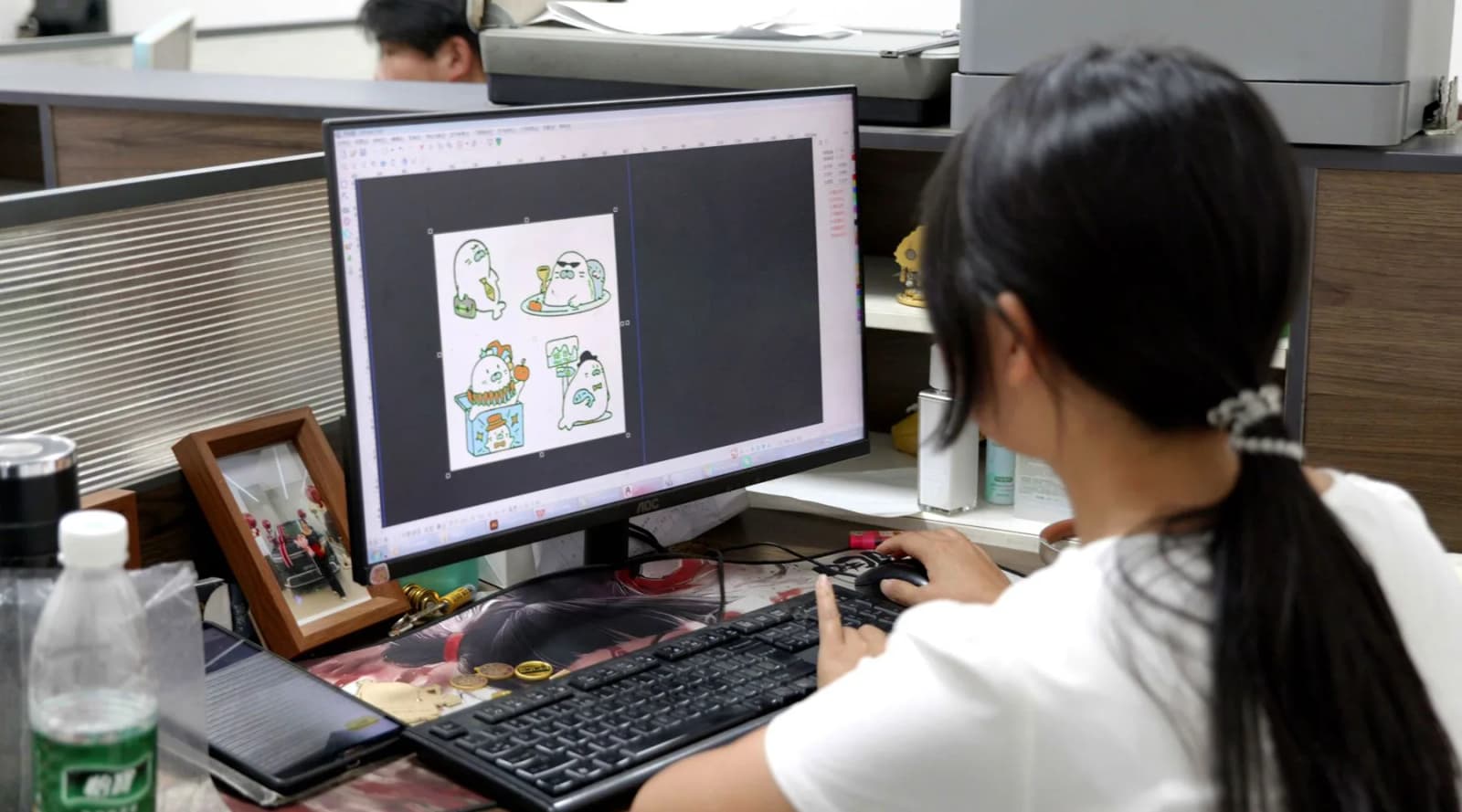
Artwork review

Share your design and intended use

Process confirmation

Confirm material, dimensions, finish and packaging

Sampling

Make a sample to the agreed specification

Revisions

Review and adjust the physical sample

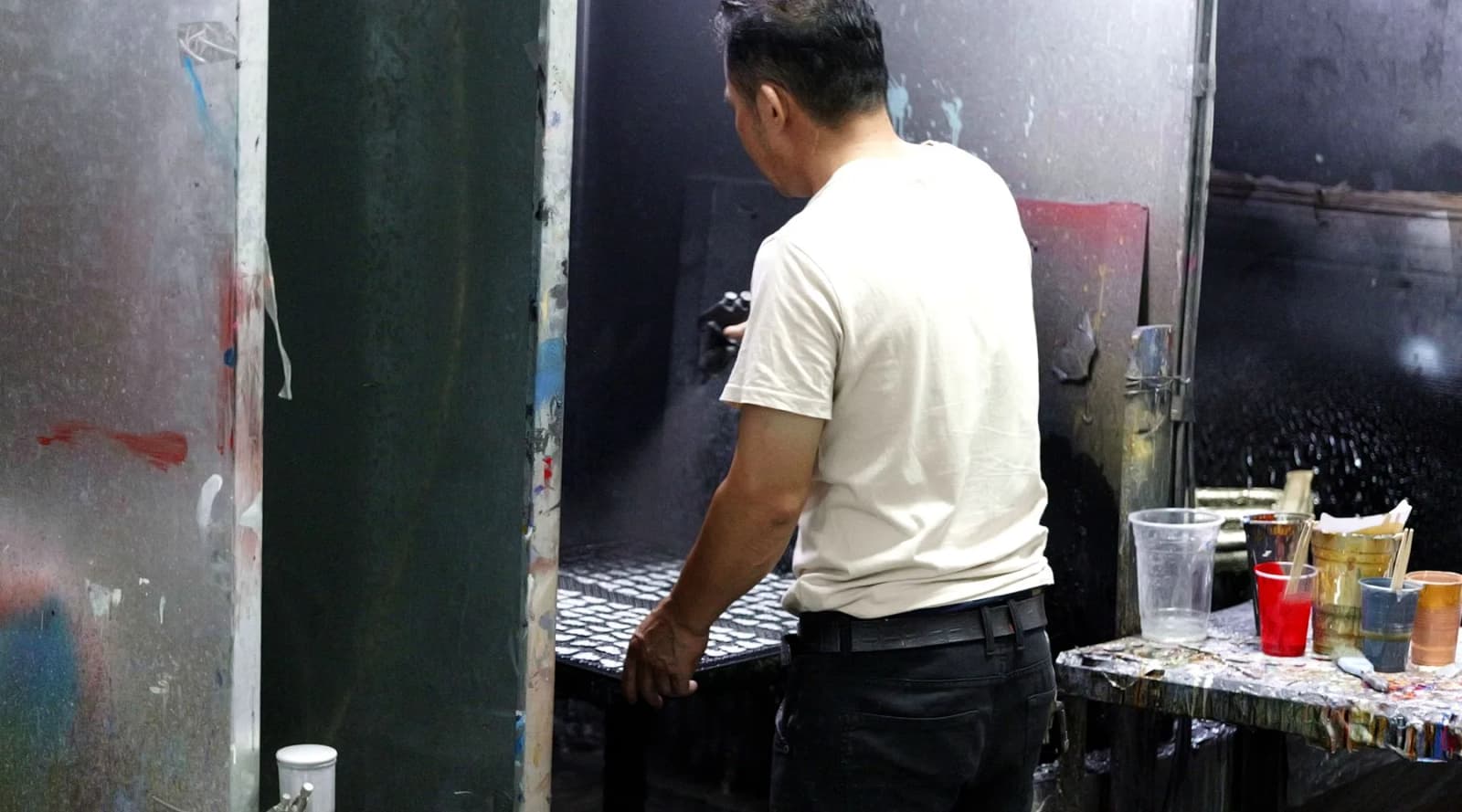
Production

Produce and inspect after sample approval

Artwork review
Artwork review
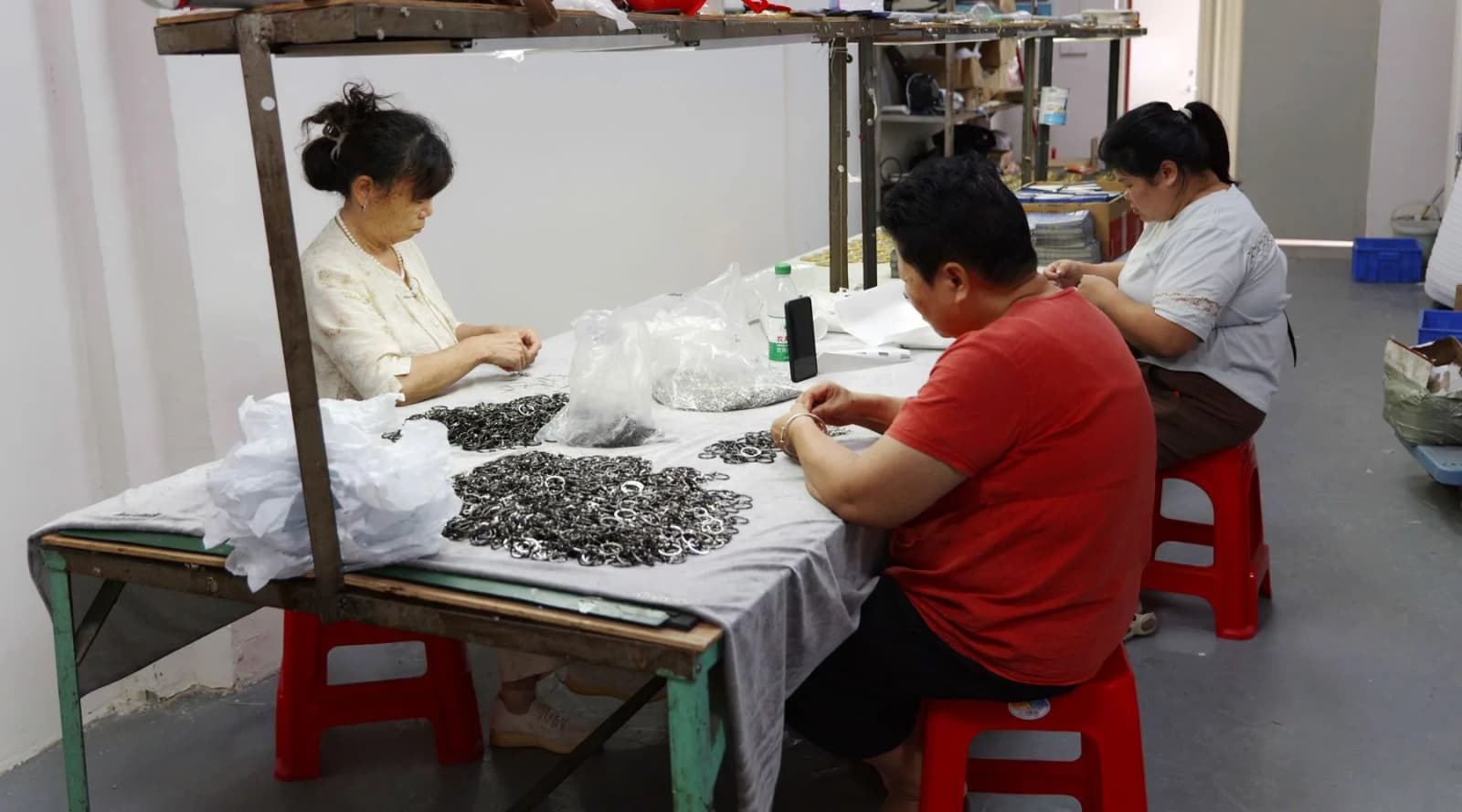
Manufacturing
Manufacturing
Production
Production

What matters between a design and a finished part is turning a visible effect into requirements that can be confirmed and executed. Our own workshop in Shenzhen handles tooling, forming, surface finishing and assembly.

What we confirm first

  • Design and structure: shape, detail, thickness, size and assembly; 10–150 mm is the standard size range, with tooling feasibility checked first for larger pieces
  • Material and surface: base material, colouring method, plating and how it feels in the hand
  • Quantity and packaging: first-order quantity, fittings and packaging; options include an OPP bag, velvet box or custom gift box
  • Timing: the date the sample must be approved and the delivery date you need

Choosing a material

Zinc alloyour main material, suited to three-dimensional shapes, relief and finely die-cast artwork.

Copperfor designs that call for a particular metal feel or a specific surface effect.

Iron and stainless steelselected by weighing magnetism, structure, strength and surface effect.

PVC and soft rubberfor designs that need to control cost or combine with metal parts.

Colouring

The same artwork changes character and cost with a different colouring method. These are the three we offer; the difference lies in how the colour reads, how the surface feels and which artwork each one suits best.

Enamel

Enamel

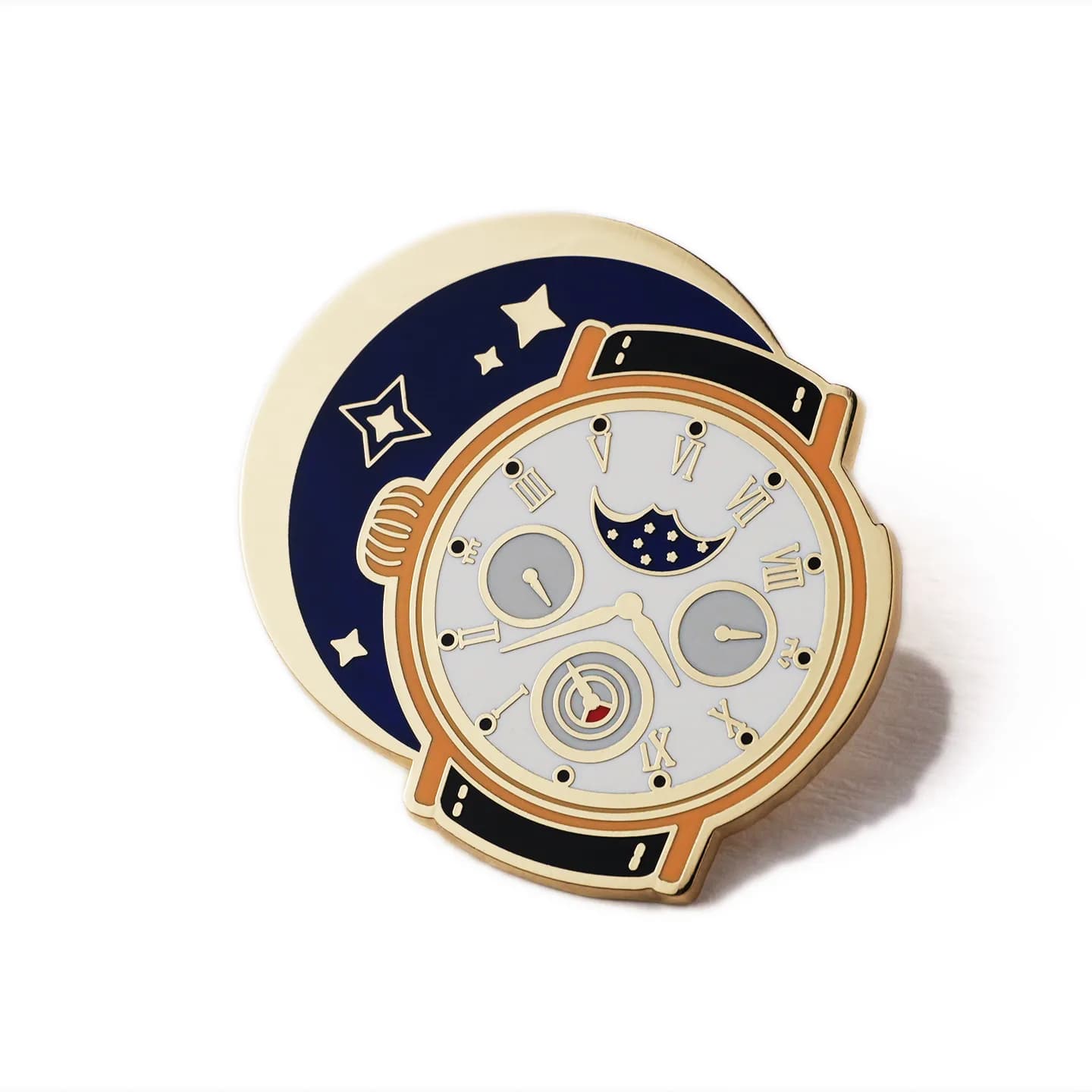
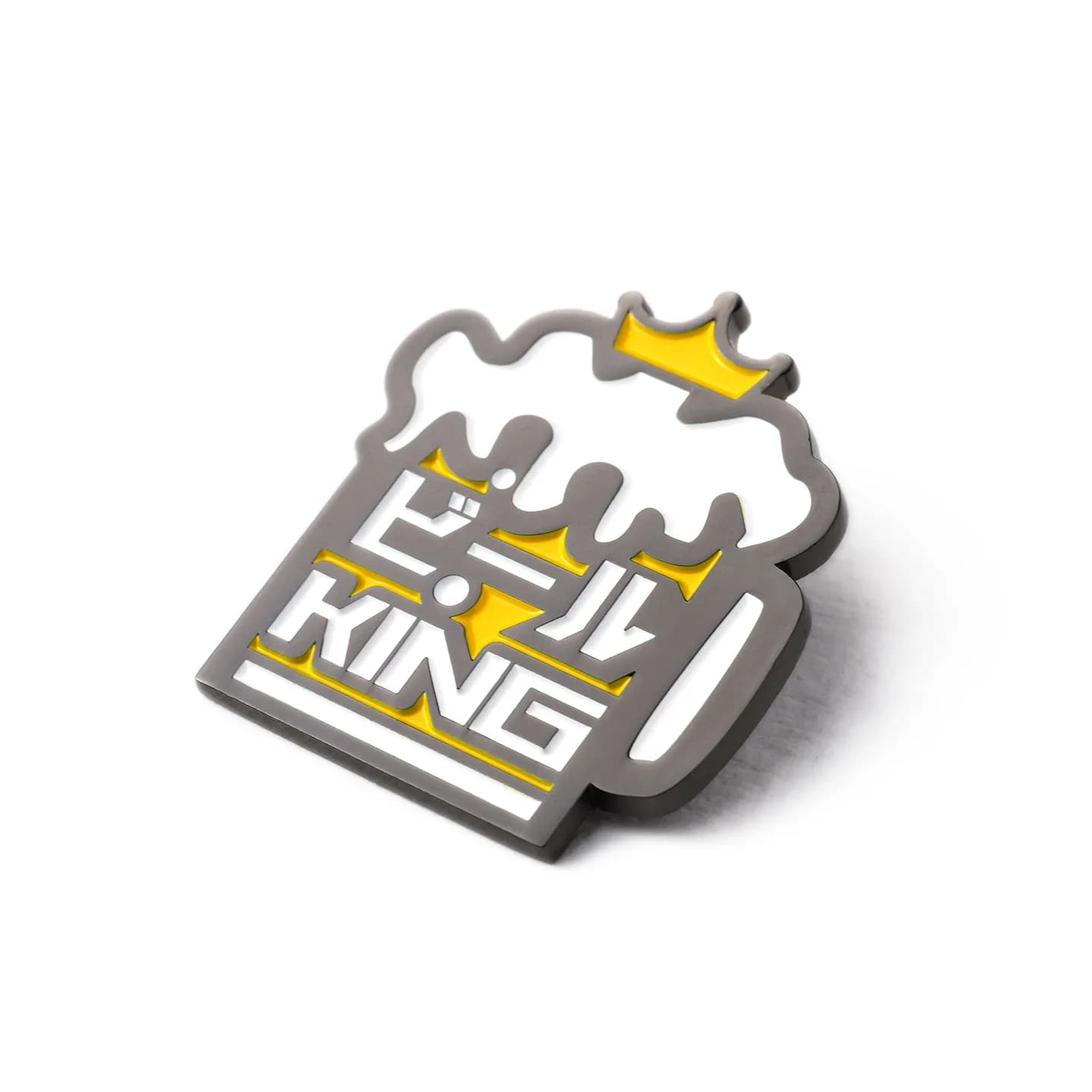
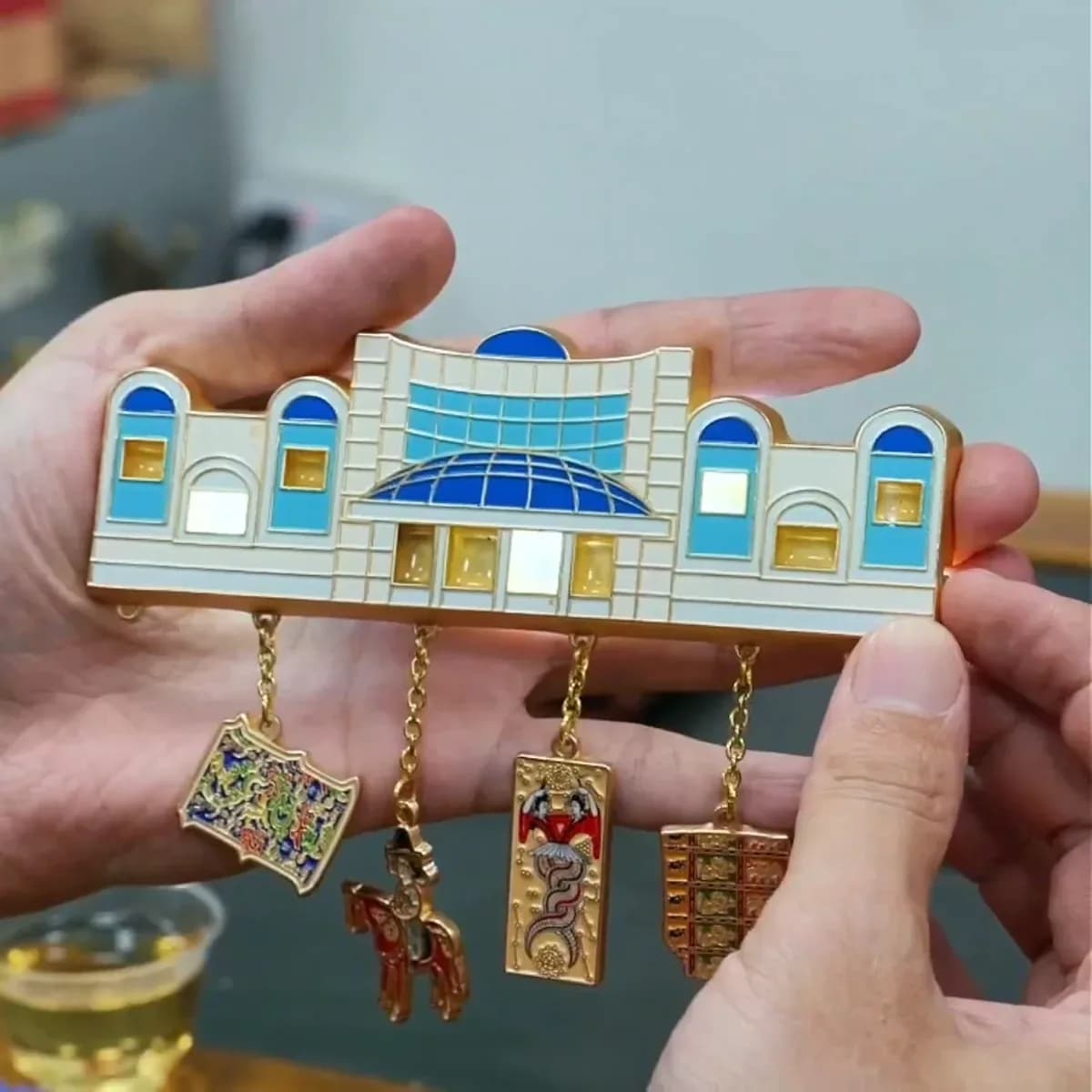
Vitreous enamel is filled into the recesses of the artwork, fired at high temperature, then ground flat. The surface comes out full, with a glass-like gloss.

It works best on artwork with clearly separated areas of colour — badges, medals and pins that need colour and metal in the same piece. The fired surface is hard, so it holds up to daily wear and display.

Baked paint

Baked paint

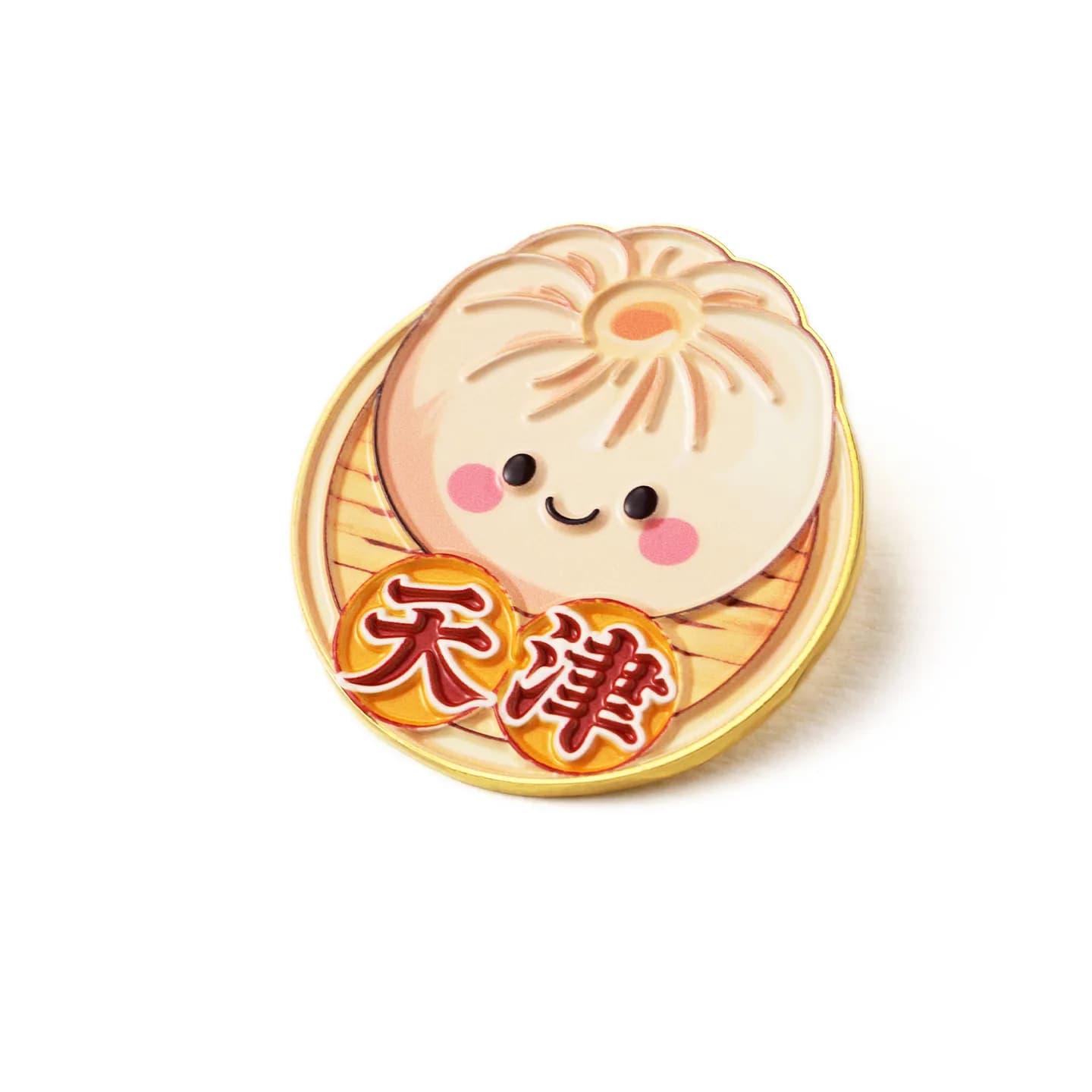
Pigment is sprayed on and cured in an oven, leaving a surface that is smooth and fine.

Best for solid colours and clearly defined colour areas, particularly larger filled areas. Colour and surface feel are confirmed on a physical sample; for gradients or dense detail, assess printing first.

Printing

Printing

The artwork is printed directly onto the metal and then covered with a clear protective layer.

Fine lines and gradients reproduce faithfully and colour stays closest to the drawing, so it suits designs with many colours and dense detail. The surface stays flat — for depth and relief, it is combined with embossing.

Plating

Plating puts the colour onto the metal and at the same time sets the gloss and durability of the finished piece. Plating colour and colouring method influence each other, so settle them together rather than in two separate rounds.

Plating finishes

Plating finishes

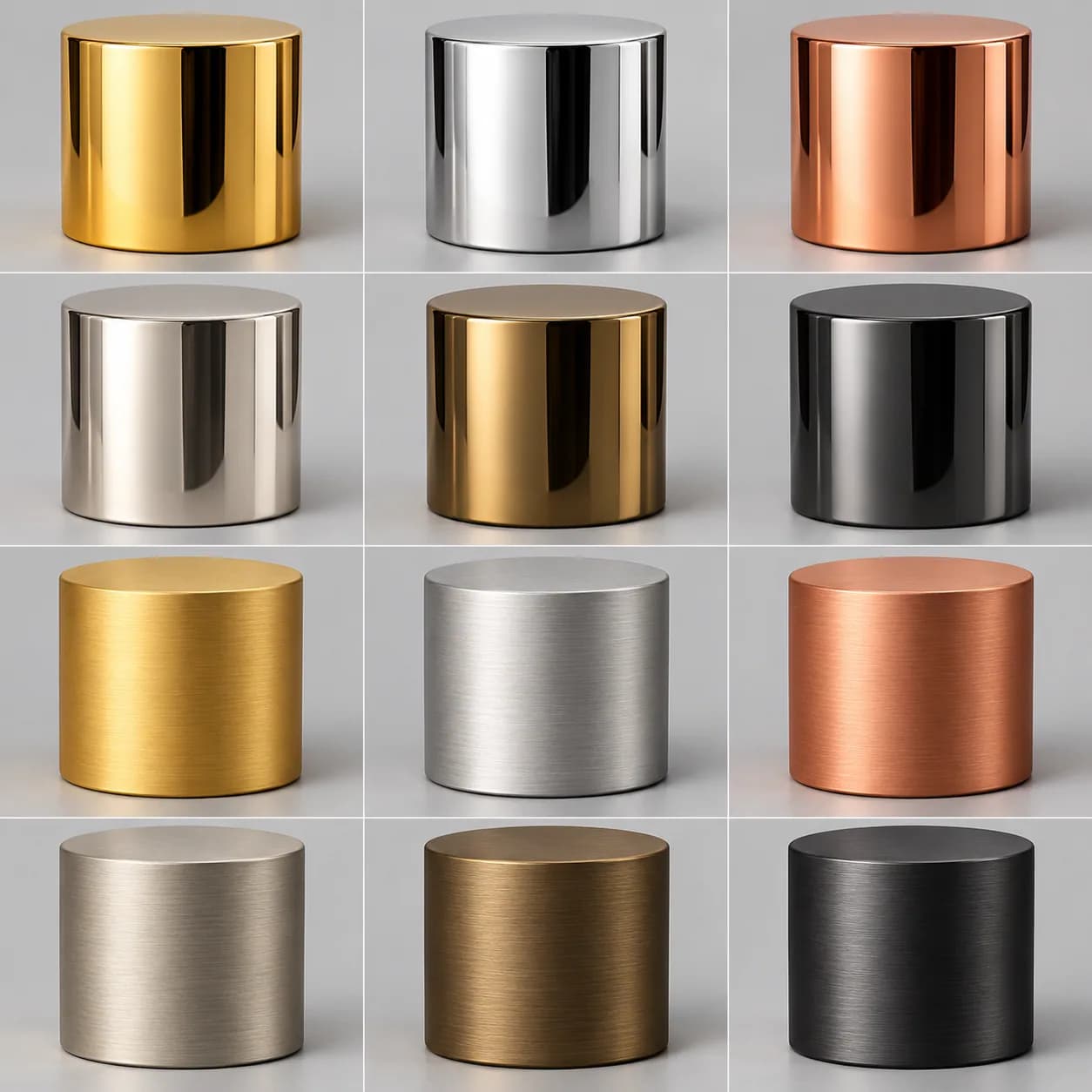
Gold, silver, copper, nickel, antique bronze, black nickel, and the matt range.

The metal gloss is bright and the tones are clearly defined; the plated layer is stable and less prone to discolouration during normal use and display.

Plating affects how well colour adheres, so it belongs in the same decision as the colouring method. Surface finish (polished / matt / brushed / anti-tarnish) works as a pairing with the plating colour: the same plating with a different finish looks noticeably different, so choose the two together.

Relief & structure

Beyond flat artwork there is the third dimension, and the way a piece is put together. Everything below is assessed design by design — what is feasible, and how, is settled by a physical sample.

Relief

The artwork leaves the flat and gains height.

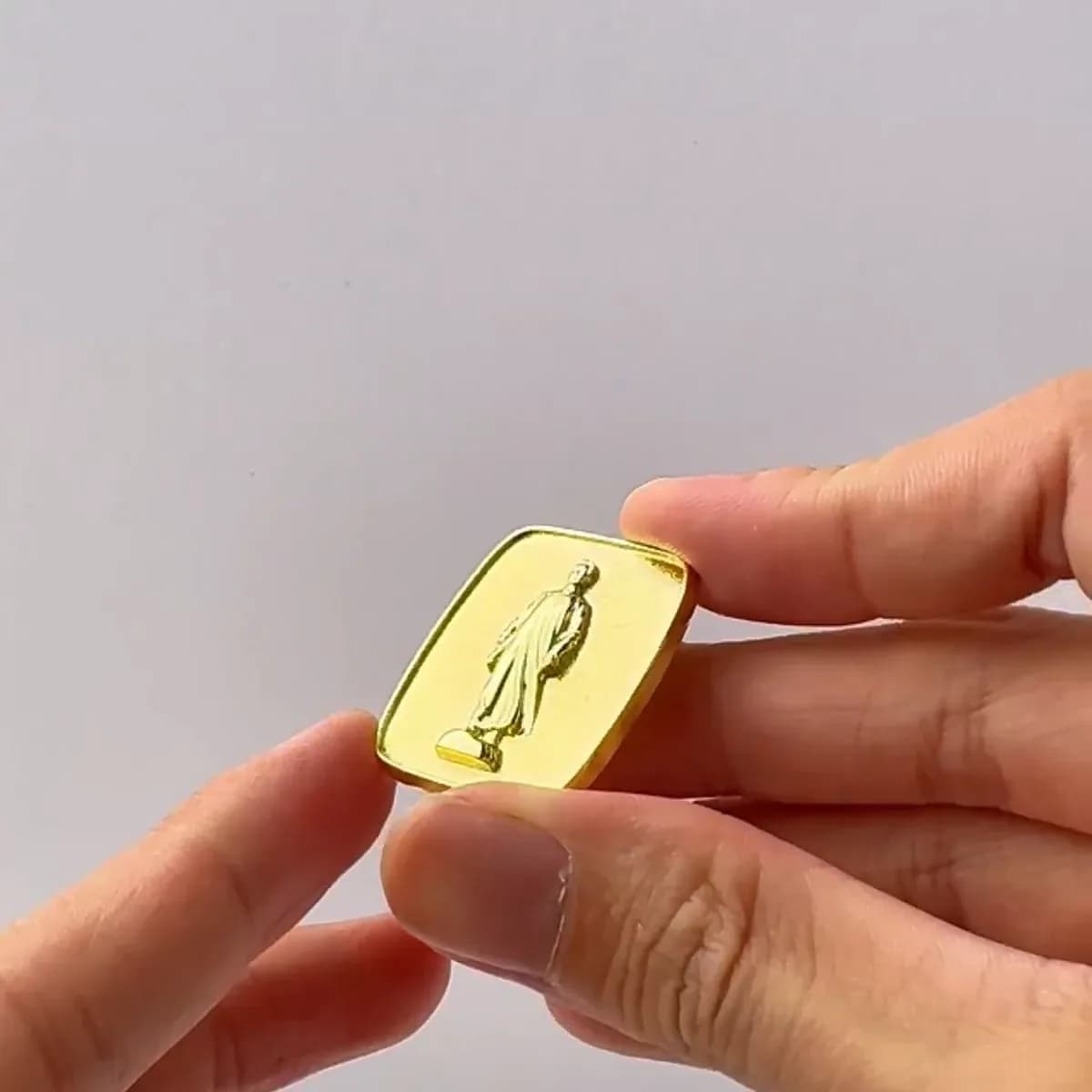
Relief from 0.3–1.5 mm gives genuine depth; anything deeper is assessed against overall thickness and structure. The way light falls across it is something flat printing cannot reproduce.

Pierced work

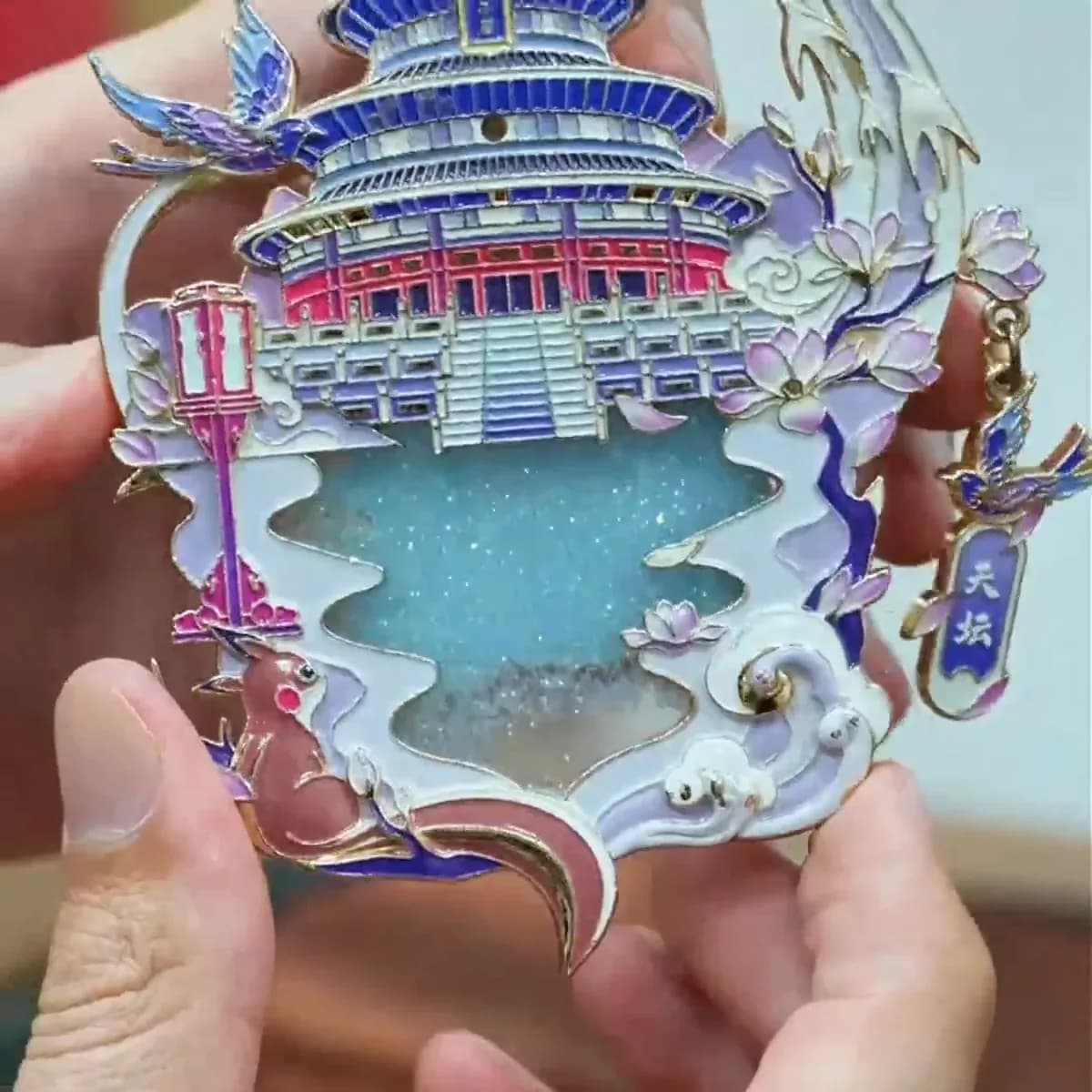
The empty areas of the artwork are cut right through, creating open outlines and see-through space.

Suited to designs with strong line work and layering. Lines finer than 0.8 mm are assessed first for strength and the risk of distortion.

Quicksand

Coloured flakes sealed inside a pierced opening or a transparent chamber.

Tilt the piece and the artwork moves — good for souvenirs that need interaction and shelf appeal. Chamber sealing and flake colours are confirmed at the sampling stage.

Multi-part assembly

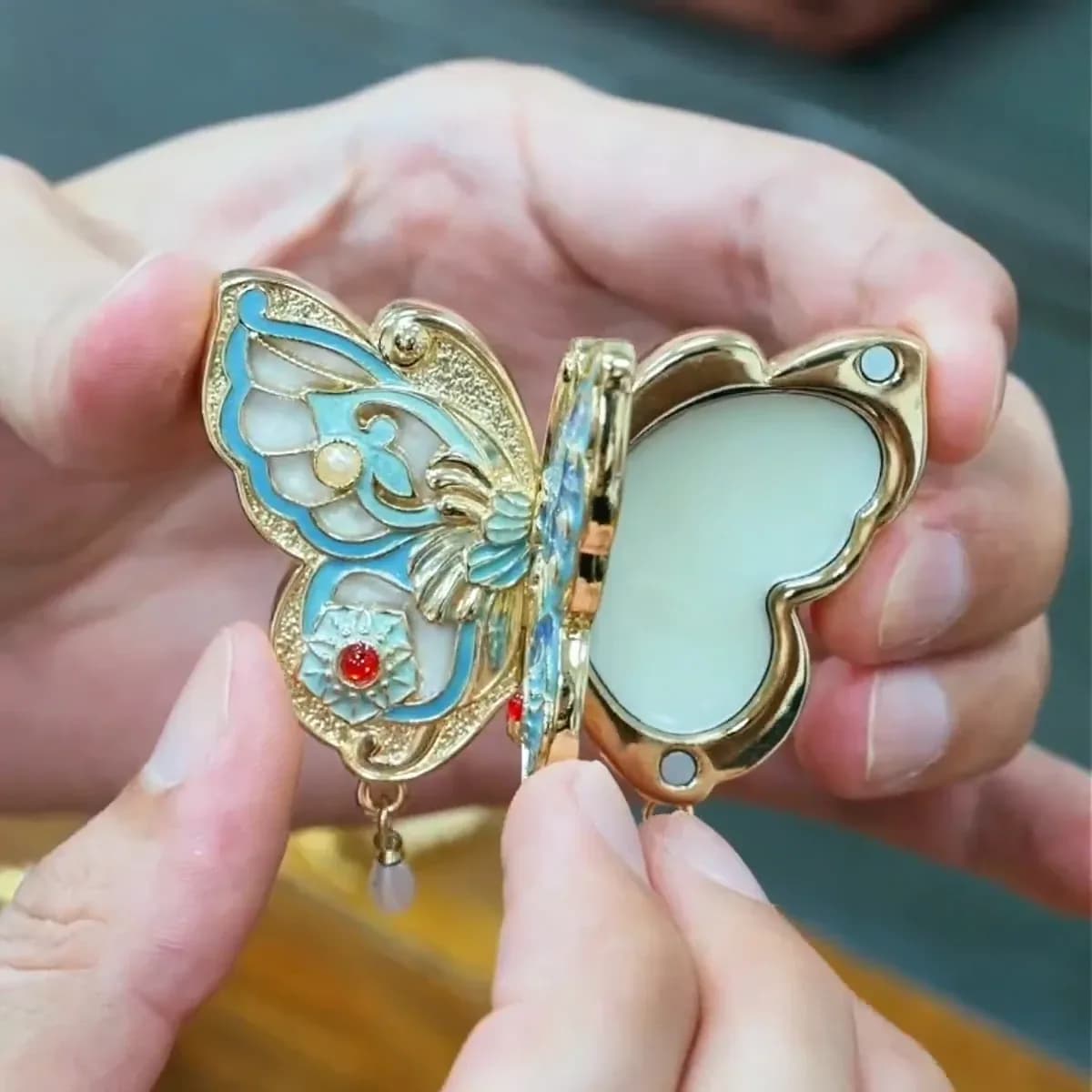
Two or more parts brought together as one piece.

Magnets, snap fits and rivets allow pieces that open and close, come apart, or differ front and back. The more parts there are, the earlier the assembly tolerances need to be pinned down.

Moving mechanisms

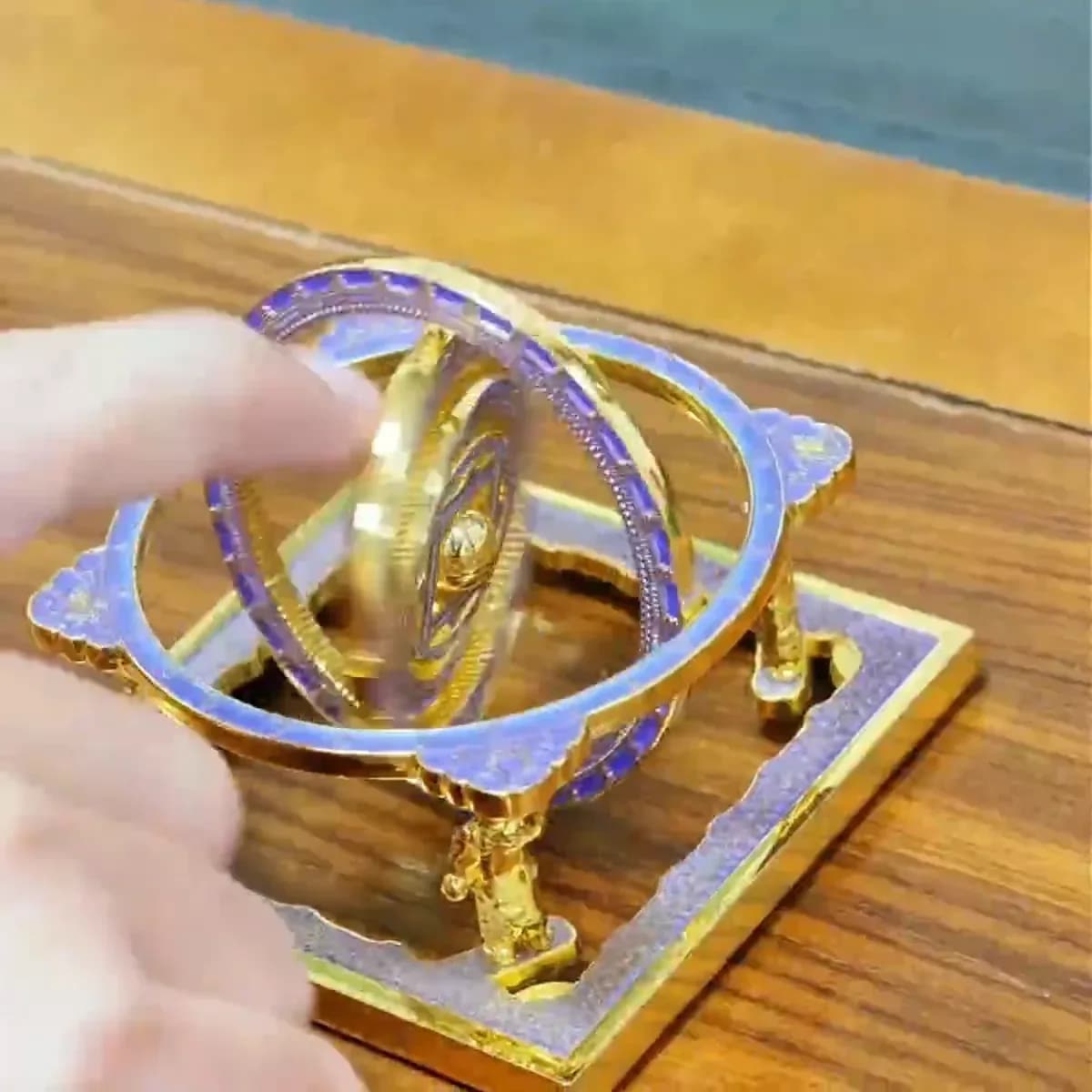
Structures that move: rotating, sliding, flip-open.

They turn a piece from something you look at into something you handle — for commemorative and gift products that want interaction. These need to be assessed earlier, and may take more sampling rounds.

Light and sound

Lighting and sound modules built into the metal piece.

Light and sound can be done separately or together. The structure has to allow for a battery compartment and a switch, and the trigger — press, magnet or slide — is chosen to suit how the piece is used. Work with electronics in it is assessed earlier, and assembly tolerances and protection requirements are settled up front.

Sampling, production and repeat orders

Minimum order and assessmentStandard processes start at 100 pieces; the minimum for complex work is assessed by product. Once we have the artwork, size, quantity, packaging and target delivery date, we confirm the material, structure and finish before sampling.

Sample and revisionsA physical sample is made to the agreed specification. Any requested changes are recorded item by item, with affected processes, cost and timing reconfirmed. The final approved sample is the reference for production.

Production and inspectionProduction is scheduled after sample approval. The delivery date is confirmed against the approval date, order quantity and workshop schedule. Production is checked against the sample and process parameters, with first-piece and in-process inspection recorded.

Repeat ordersMaterial, process and packaging are checked against the approved specification and inspection records. Changes are confirmed before production is scheduled.

LET’S MAKE IT HAPPEN

Start your custom project

Over ten years of manufacturing experience, from 100 pieces. Share your product, quantity and required date. We review the process before preparing a quote.

Request a quote ↗