
Choosing an OEM metal gifts manufacturer is less about finding someone who says yes to your design and more about finding out where their answers stop being reliable. Most buyers start with price and lead time, which is natural, but those two numbers only mean something once you know what sits behind them. A supplier who can make a similar item is not automatically a supplier who can make your item, and the gap usually shows up late — after tooling is cut or after the first batch is packed.
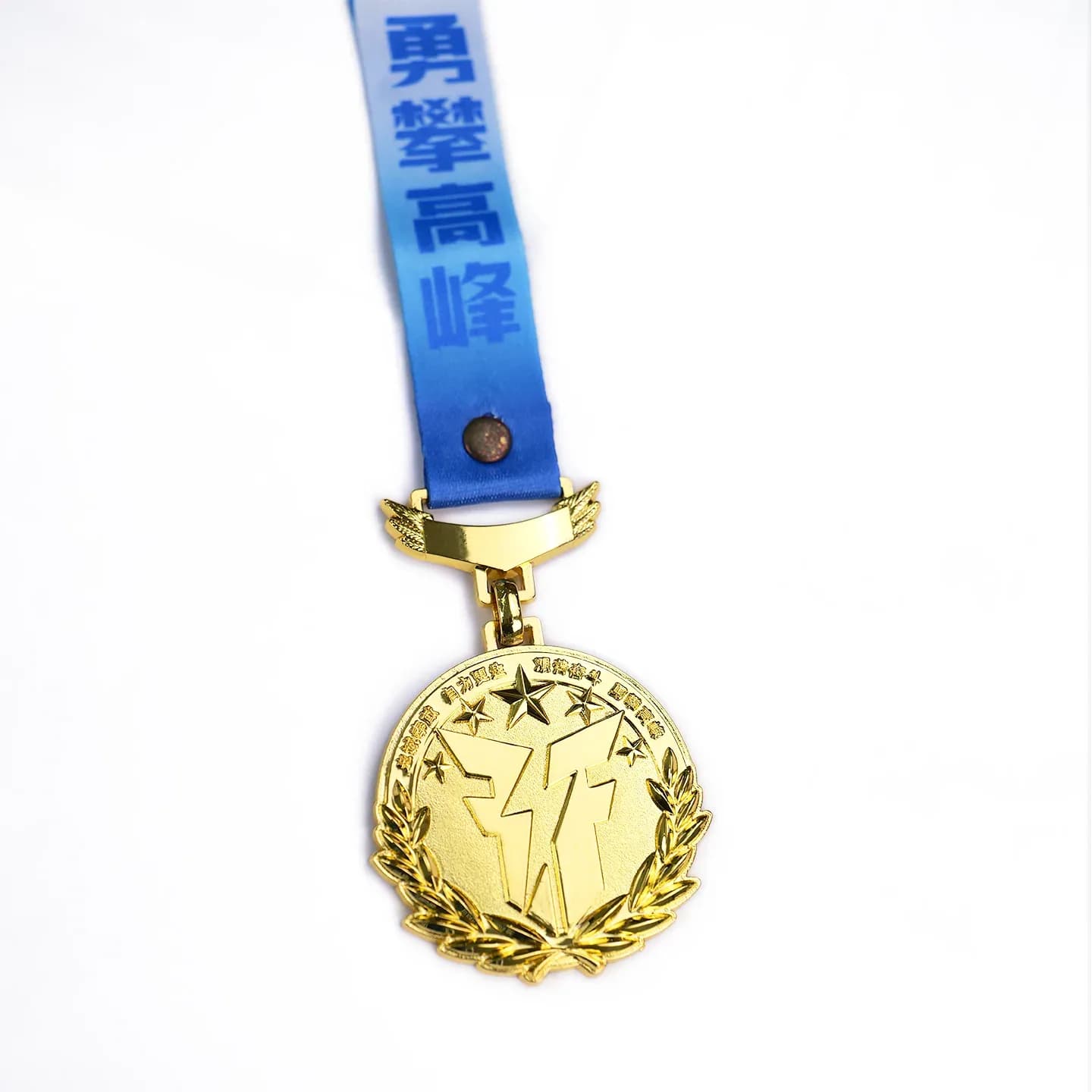
The first thing worth checking is whether the factory actually works in the processes your design needs. Metal gifts cover a wide range: die-cast and stamped parts, etched and laser-engraved plates, turned and machined pieces, plus the finishing that follows — plating, painting, enamel fill, polishing, brushing. A manufacturer strong in one route may outsource another, and outsourcing is not automatically bad, but you should know about it. Ask which steps happen in-house and which are subcontracted, and ask to see examples of the specific combination you need rather than a general catalogue. A factory that shows you a dozen medals but no etched-and-filled plates has not yet shown you your product.
Tooling is the next place to slow down. For many OEM metal gifts, a mould or die has to be made before production, and that tooling is built around your artwork and dimensions. Before you approve it, confirm who owns the tooling, whether it is kept for repeat orders, and what happens to it if you move on. Also ask what the tooling is based on — a low-resolution logo file and a clean vector drawing can produce very different results on a small metal surface. If a supplier quotes tooling without asking about your artwork, that is a sign they are pricing a category, not your job.
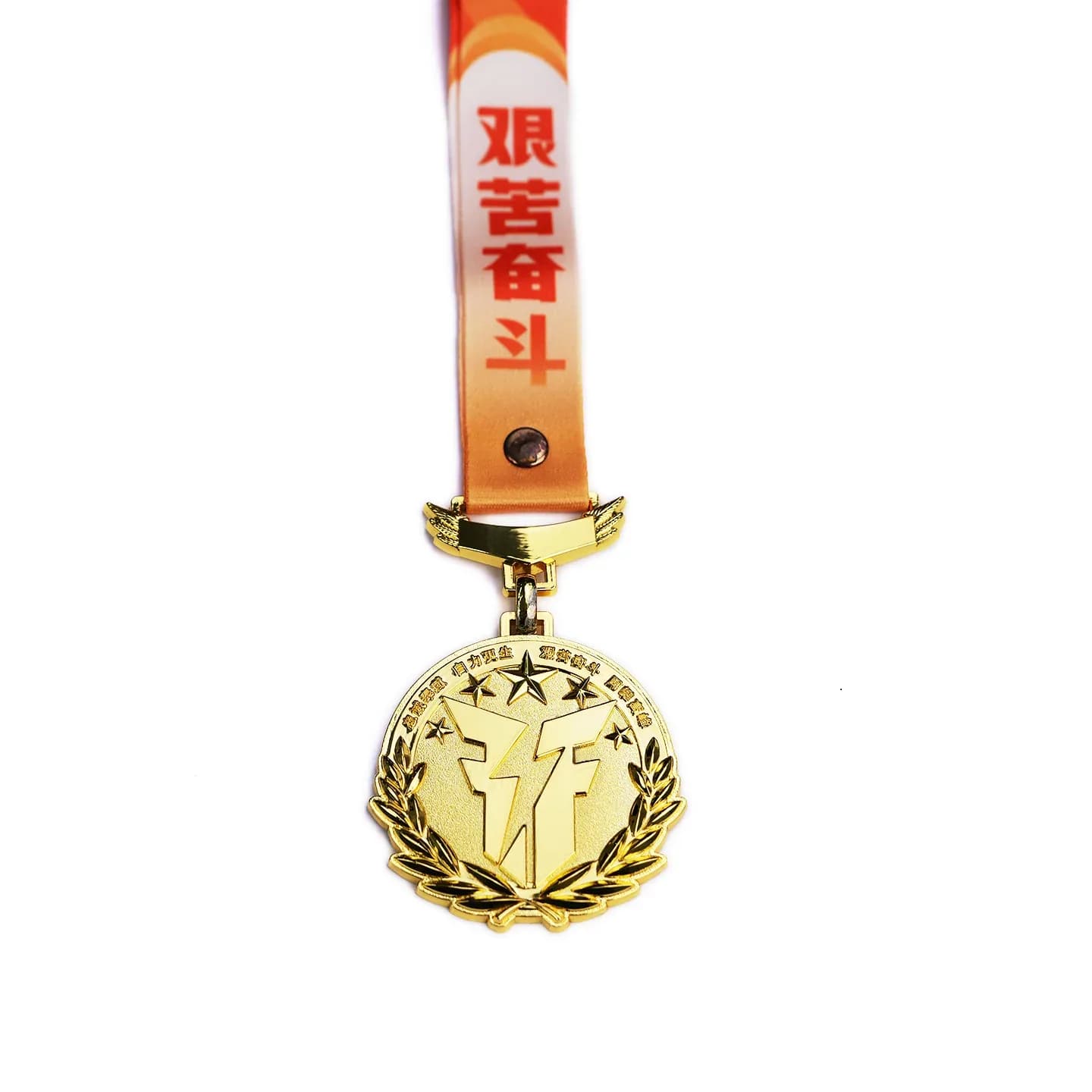
Samples deserve more attention than they usually get. A sample confirms what one piece looks like in your hand; it does not confirm that a production run will match it. So when you review a sample, look at the things that vary most between pieces: plating colour and coverage, enamel fill level, edge sharpness, engraving depth, and how the finish holds up on corners and recesses. Ask how the factory controls those in bulk — whether they check first-off pieces, how they spot-check during the run, and what they do when a piece falls outside the agreed look. A supplier who can describe their in-process checks in plain terms is usually more trustworthy than one who only promises the sample will be matched.
Finishing is where a lot of OEM metal gift projects quietly go wrong, because it is the step most affected by handling and by small changes in the metal underneath. Plating thickness, paint adhesion, and colour consistency across a batch are worth discussing before you commit, not after. If your design depends on a specific colour — a brand colour, for instance — ask how they match it and on what surface, since the same paint reads differently on polished and brushed metal. This is also the moment to talk about how the pieces will be packed, because a finish that survives the factory floor can still be marked by loose packing in transit.
On the commercial side, be specific about what the quote includes. Ask whether tooling, samples, finishing, packing, and freight are separate lines or bundled, and what triggers a re-quote — a change in quantity, a change in artwork, a change in material. Confirm the inspection arrangement: who checks the goods, against what standard, and what happens if a batch does not meet it. These are not adversarial questions; a factory that has thought about them will answer quickly, and the ones that get vague are telling you something useful.
It also helps to ask how the factory handles the parts of the job you cannot see. Who owns the artwork files, how long they keep production records, and whether they can produce a repeat order from the same tooling months later are all practical questions for anyone planning more than a one-off run. If you are ordering for an event with a fixed date, the timing conversation should include tooling and sample approval, not just production — those earlier steps are where schedules usually slip. Our guide to ordering custom metal souvenirs in bulk for an event walks through that sequence in more detail.
Finally, treat the first conversation as a test of how the supplier communicates. A good OEM partner will ask you questions about the design, the quantity, the surface finish, and the end use before quoting, because those answers change what they recommend. If you come away with a price but no clearer picture of how the piece will be made and checked, you have learned the number but not the risk. Cost is worth understanding in the same way — our breakdown of what actually drives the cost of custom metal gifts explains why two quotes for the same drawing can differ so much. Vetting a supplier is mostly this: getting specific answers to specific questions, and being comfortable with the ones that come back qualified rather than absolute.