When a buyer asks why custom metal gifts are expensive, the honest answer is that most of the price is decided before production starts. A metal gift is not priced like a stock item pulled from a shelf. Each order involves a design that has to be turned into a physical object, a mold or die that has to be made, material that has to be cut and formed, and a surface that has to be finished and checked. The quote you receive is the sum of those steps, and the steps that cost the most are usually the ones that are hardest to see in a photo.
The first real cost driver is tooling. If your gift has a custom shape, an embossed logo, or a die-struck relief, someone has to cut a mold or engrave a die before a single piece is produced. That work is charged once, but it is skilled work, and it is specific to your design. This is also why a small trial order can look surprisingly expensive per piece: the tooling cost is spread over very few units. The same tooling spread over a larger run drops the unit price quickly, which is why quantity and price are so tightly linked in this industry.
Material is the next factor, and it is more than the weight of the metal. Different alloys behave differently under stamping, casting, and polishing, and some are easier to finish cleanly than others. A design that looks simple on paper may require a thicker gauge or a different alloy to hold its shape, and that changes the material cost. Plating adds another layer: gold, silver, and other finishes are priced by the surface area covered and the thickness of the plating, so a larger gift with more visible surface costs more to finish than a small, compact one.
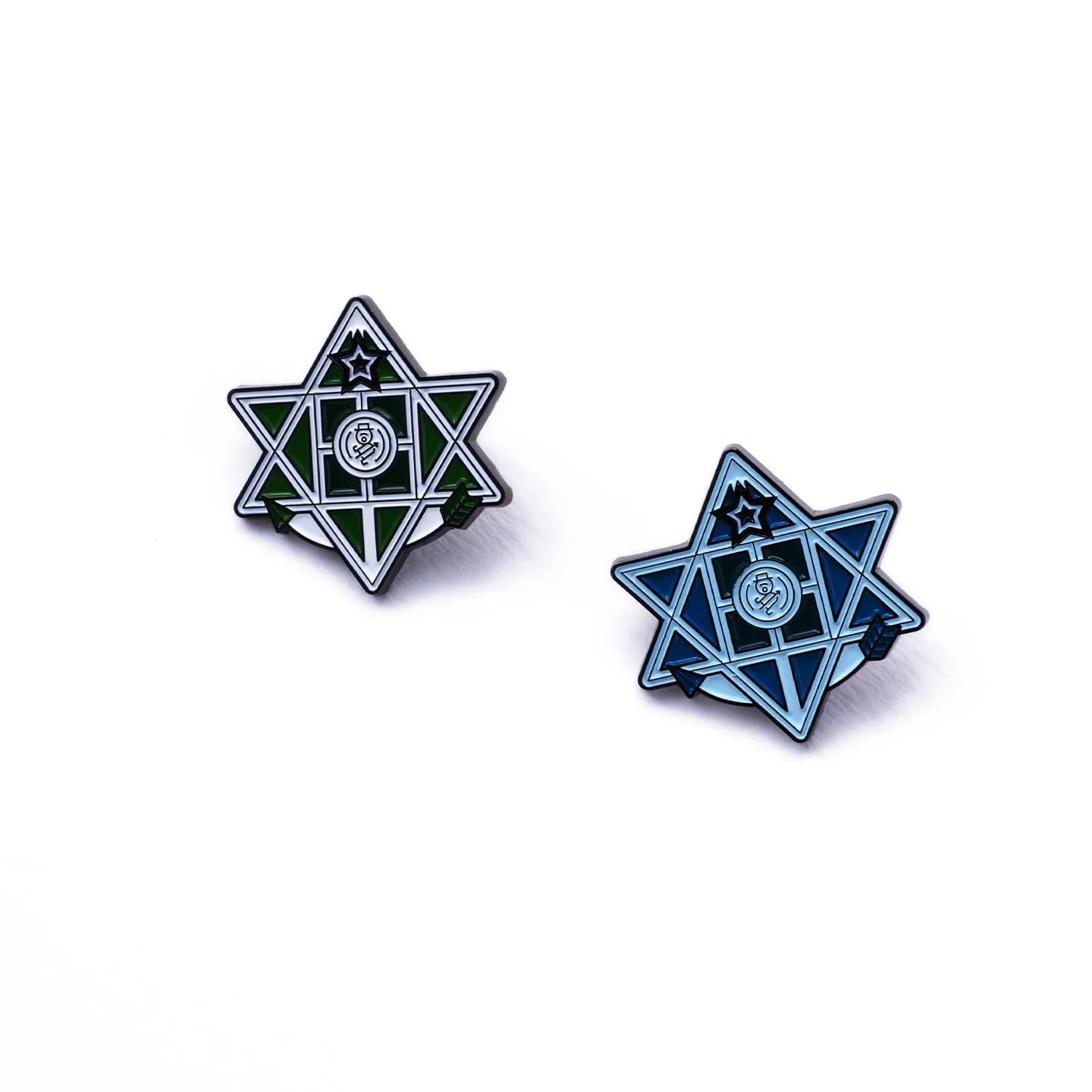
Finishing is where many quotes quietly grow. Polishing, brushing, sandblasting, enamel filling, and laser engraving are all separate operations, and each one adds handling time and a chance for a piece to be rejected and reworked. A design with multiple colors of enamel or several distinct surface treatments is not just prettier; it passes through more stations, and each station has a cost. This is also why two gifts of the same size can differ a lot in price: one may need a single polish, while the other needs masking, filling, curing, and a final inspection under light.
Quantity affects cost in two directions. A larger order spreads tooling and setup over more pieces, which lowers the unit price. But larger orders also demand more consistent material, more finishing capacity, and more careful quality checks, so the savings are not unlimited. A very small order, on the other hand, carries the full setup burden on a handful of pieces. When you compare quotes, compare them at the same quantity and the same level of finishing detail; otherwise the numbers are not really comparable.
Design decisions are the part buyers control most directly. Sharp internal corners, very deep reliefs, thin unsupported sections, and tight tolerances all make production harder and slower. A design that respects how metal actually flows and finishes will cost less than one that fights the process. This does not mean simplifying until the gift loses its character; it means deciding early which details matter and which are only decoration. A short conversation about the drawing before tooling begins is usually cheaper than changing the mold afterward.
Finally, there is the cost of getting it right. Sampling, inspection, packing, and shipping are real steps, and a gift that arrives scratched or off-center has cost you more than the invoice. A responsible quote includes room for checking the first piece and the run, not just the metal and the labor. If a price looks unusually low, it is worth asking what is not included: tooling, plating thickness, packaging, or inspection. The cheapest quote is not always the cheapest order.
If you are planning a custom metal gift, the most useful thing you can do is share your design intent, your target quantity, and the finish you have in mind before asking for a number. That lets the factory tell you which parts of the design are driving the cost and where a small change would make a real difference.